Introduction: What Are Energy Efficient Measures Related to PAS 2030?
Improving the energy performance of homes is essential—not only for lowering household bills, but also for tackling climate change.
In the UK, PAS 2030 energy efficient measures set the benchmark for how energy-saving upgrades must be installed in domestic buildings. The specification outlines the requirements for installing energy efficiency measures (EEMs), ensuring that all improvements are delivered to consistent, high-quality standards. But what exactly does that involve—and what do we mean by energy efficient measures?
Let’s dive into the core principles behind PAS 2030 and explore how it impacts domestic retrofitting.
What Is PAS 2030 and Why Does It Matter?
PAS 2030, published by the British Standards Institution (BSI), is a specification that outlines how energy efficiency upgrades must be installed in homes. It was developed to support schemes like the Energy Company Obligation (ECO), helping homeowners and landlords improve the energy performance of their properties.
At its heart, PAS 2030 establishes the requirements for installing energy efficiency measures (EEMs) in domestic buildings, covering everything from materials used to the qualifications of installers. It’s not just a guideline—it’s a vital part of ensuring that government-funded or supported energy improvements are safe, reliable, and effective.
Hint: If you’re looking for a step-by-step process to achieve compliance, check out our PAS 2030: 6 Steps to Compliance
What Are Energy Efficient Measures
Energy efficient measures refer to building upgrades that reduce energy usage and increase thermal comfort. These improvements are designed to help homes use less energy without sacrificing warmth, convenience, or air quality.
They typically target key areas like heating, cooling, lighting, and insulation—all of which are major contributors to a home’s overall energy consumption. By upgrading these systems, homeowners can maintain a more stable and comfortable indoor environment year-round.
At the same time, energy efficient measures help to cut carbon emissions. Since domestic buildings are responsible for a large portion of the UK’s energy use, these upgrades play a vital role in the nation’s path to the net zero strategy.
Common examples include adding loft insulation, switching to LED lighting, installing smart thermostats, or replacing outdated boilers. Each small change makes a noticeable difference—not only to the planet, but also to the homeowner’s wallet.
Ultimately, these measures create homes that are healthier, more affordable to run, and better equipped for the future.
Examples of PAS 2030-Compliant Energy Efficiency Measures
Some of the most common and effective PAS 2030-aligned EEMs include:
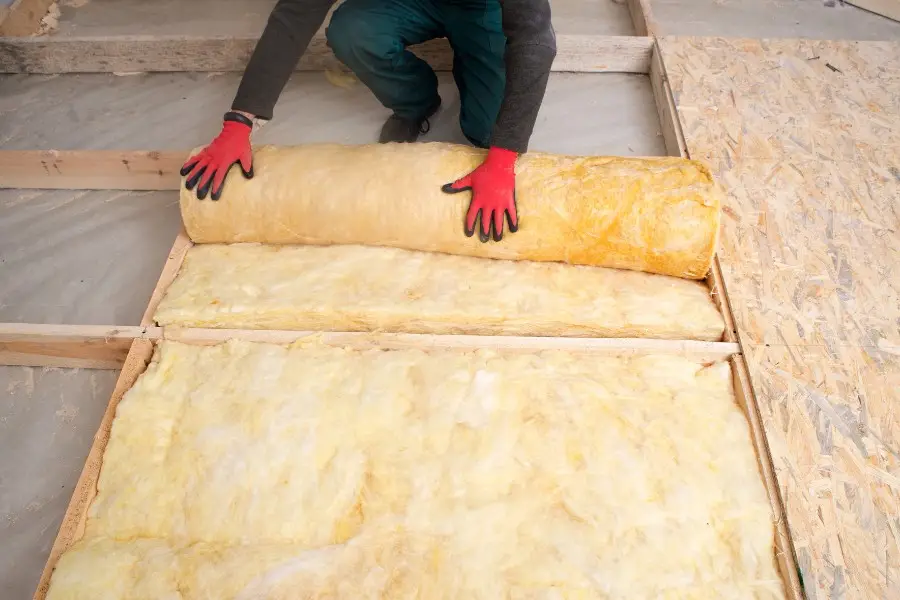
- Loft insulation – Prevents heat from escaping through the roof.
- Cavity wall insulation – Fills gaps in external walls to minimise heat loss.
- Solid wall insulation – Suitable for older buildings with no cavity walls.
- Smart heating controls – Offers greater precision and reduces waste.
- Condensing boilers – Replace older models to increase efficiency.
- Floor insulation – Improves comfort, particularly in suspended timber floors.
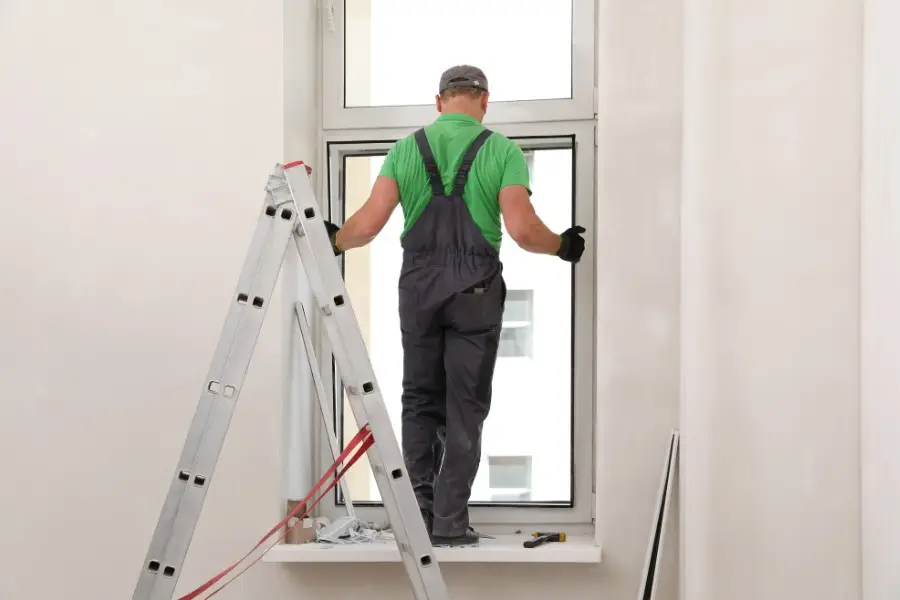
- Secondary or double glazing – Enhances heat retention and reduces noise.
- Draught-proofing – Seals up gaps to stop cold air and preserve heat.
All these measures are regulated under PAS 2030 to ensure they meet specific technical and safety standards during installation.

The Role of PAS 2035 in Planning EEMs
PAS 2035 complements PAS 2030 by focusing on the assessment and design phase of retrofit work. While PAS 2030 handles the “how” of installing measures, PAS 2035 deals with the “why” and “what” should be installed.
Together PAS 2030 and PAS 2035 create a robust, end-to-end framework—ensuring that every decision is based on a whole-house approach and tailored to the specific needs of each property.
💡Want to become PAS 2035 certified? Check out our helpful guide, where we walk you through the PAS 2035: Accreditation in 5 Steps UK — everything you need to get started with confidence.
Who Can Install Energy Efficient Measures Under PAS 2030?
Only certified professionals can carry out PAS 2030-compliant installations. These installers must:
- Be registered with TrustMark
- Work under a UKAS-accredited certification scheme
- Follow the standards and updates in PAS 2030:2023
This not only guarantees a high level of competence and accountability but also provides peace of mind for homeowners seeking long-term value and performance.
Why Energy Efficiency Measures Matter More Than Ever
Energy efficient measures aren’t just technical upgrades—they’re a vital part of the UK’s broader commitment to creating a cleaner, greener, and more resilient built environment. With domestic properties responsible for a large portion of national energy use and emissions, upgrading our homes is key to achieving long-term sustainability goals.
These measures also bring immediate and practical benefits to homeowners and tenants, making homes not only more efficient but also healthier and more affordable to live in.
Here’s why they matter now more than ever:
- Reduce carbon emissions – Help meet the UK’s legally binding net zero targets by cutting emissions from domestic buildings.
- Lower household energy bills – Provide relief for vulnerable and low-income families by reducing heating and electricity costs.
- Enhance indoor comfort – Improve thermal regulation and air quality for more stable, comfortable living environments.
- Boost property value – Increase a home’s market appeal with better Energy Performance Certificates (EPCs) and future-ready features.
- Future-proof against rising energy costs – Reduce reliance on fossil fuels and shield households from volatile energy markets.
In short, energy efficiency measures create lasting value—for people, the environment, and the economy. They’re not just good practice—they’re a necessity.
Conclusion: PAS 2030 and the Future of UK Housing
To sum up, energy efficient measures related to PAS 2030 are key building upgrades designed to reduce energy use and emissions, installed according to rigorous standards. PAS 2030 outlines the exact requirements for installing energy efficiency measures (EEMs) in domestic buildings, ensuring that every measure—from insulation to heating controls—is delivered properly, safely, and effectively.
As the UK continues to focus on sustainability, compliance with PAS 2030 and PAS 2035 will remain a cornerstone of high-quality retrofitting and green home improvements.
At Brighter Compliance, we specialise in helping installers, contractors, and retrofit professionals meet the exacting standards of PAS 2030 with confidence.
From guidance on quality management systems to support with TrustMark registration and certification pathways, our expert team ensures you’re fully equipped to deliver compliant, high-quality energy efficiency measures.
Whether you’re new to the retrofit industry or looking to scale your services, Brighter Compliance makes navigating PAS 2030 straightforward—so you can focus on delivering sustainable, impactful upgrades that truly make a difference.