Introduction
If you’re working in the energy efficiency or retrofit sector, you’ve likely come across PAS 2030 and PAS 2035. While they are often mentioned together, they serve different but interconnected purposes. Understanding the difference is essential if you’re planning to deliver compliant retrofit work, especially under government-backed schemes like ECO4 or GBIS.

What is PAS 2030?
PAS 2030 is the installer-focused standard for delivering energy efficiency measures—such as insulation, heating upgrades, or ventilation improvements—to existing buildings in the UK. It was first introduced to raise the bar for quality, safety, and consistency across retrofit installations.
The standard outlines the technical requirements and best practices that installers must follow to ensure that measures are installed correctly, safely, and effectively.
Since June 2019, PAS 2030 must be used in conjunction with PAS 2035, especially for projects seeking government-backed funding like ECO4 or GBIS.
To be eligible for such funding, all work must:
-
Be delivered by a PAS 2030-certified installer
-
Be carried out within the project framework defined by PAS 2035
-
Be registered with TrustMark, the UK quality assurance scheme
Key features of PAS 2030 include:
-
Clear technical specifications for each type of energy efficiency measure
-
Defined processes for installation, handover, and customer care
-
Quality assurance through on-site audits and compliance checks
-
Health and safety guidelines specific to retrofit environments
-
Requirements for competence, training, and certification of installers
-
Integration with PAS 2035 for end-to-end project governance
PAS 2030 ensures that installations are consistent, compliant, and aligned with broader retrofit strategies developed under PAS 2035.
What is PAS 2035?
PAS 2035 is the overarching retrofit standard that came into force alongside updates to PAS 2030 in 2019. Unlike PAS 2030—which focuses on the execution of individual measures—PAS 2035 is concerned with the strategic planning, design, and risk management of whole retrofit projects.
It introduces a “whole-house, whole-process” approach, considering the building’s condition, occupancy patterns, ventilation, and energy performance before any work begins. This ensures that retrofit measures are not only technically sound but also appropriate for the property as a whole.
Key aspects of PAS 2035 include:
-
Retrofit Assessment – Evaluates the home’s condition, occupancy, and improvement potential
-
Retrofit Design – Creates a tailored plan that integrates multiple energy efficiency measures
-
Coordination and Oversight – Manages risk, sequencing, and contractor responsibilities
-
Evaluation and Sign-off – Post-installation review to ensure objectives are met
PAS 2035 also defines specialist roles that are essential to delivering compliant projects:
-
Retrofit Coordinator – Oversees the entire retrofit process, manages risk, and ensures compliance with PAS 2035 standards.
-
Retrofit Assessor – Conducts in-depth property assessments to understand condition, occupancy, and suitability for retrofit.
-
Retrofit Designer – Develops a bespoke design based on assessment findings, ensuring that chosen measures work together effectively.
-
Retrofit Installer – Delivers the energy efficiency measures on-site in accordance with PAS 2030 requirements and the PAS 2035 design plan.
-
Retrofit Evaluator – Reviews outcomes post-installation to confirm performance and identify any corrective actions or follow-up work.
Together, PAS 2030 and PAS 2035 form the foundation of quality and compliance for government-funded retrofit work in the UK.
Key Differences Between PAS 2030 and PAS 2035
| Feature | PAS 2030 | PAS 2035 |
|---|---|---|
| Focus | Installation work | Project design & management |
| Applies to | Installers | Retrofit professionals (Coordinators, etc.) |
| Approach | Measure-specific | Whole-building, whole-process |
| Introduced | Earlier standard | Came into effect with PAS 2030:2019 |
| Required for | ECO4-funded installation work | Framework around PAS 2030 compliance |
Do You Need One or Both?
In short: yes — you need both.
While PAS 2030 and PAS 2035 serve different functions, they are designed to work in tandem. One governs installation, the other governs project planning and oversight. Together, they form a comprehensive compliance framework for energy efficiency upgrades in existing buildings.
-
PAS 2035 sets the foundation: it defines the strategy, assessment, risk management, and design of a retrofit project.
-
PAS 2030 ensures that the plan created under PAS 2035 is installed and delivered correctly, safely, and to a high standard.
If you’re working under a government-funded scheme like ECO4 or GBIS:
Your work must meet the following conditions:
-
✅ Be assessed, designed, and coordinated under PAS 2035
(This involves roles such as Retrofit Coordinator, Assessor, and Designer.) -
✅ Be delivered and certified under PAS 2030
(This requires PAS 2030 certification and TrustMark registration.)
Failing to follow both standards could result in:
-
❌ Ineligibility for ECO4 or GBIS funding
-
❌ Delays in project approval
-
❌ Risk of non-compliance during audits
-
❌ Potential rework at your own cost
Bottom line: PAS 2035 is the blueprint, PAS 2030 is the build. You need both to complete the retrofit picture—especially when public funding is involved.
Real-World Scenarios
Installer on ECO4 Scheme
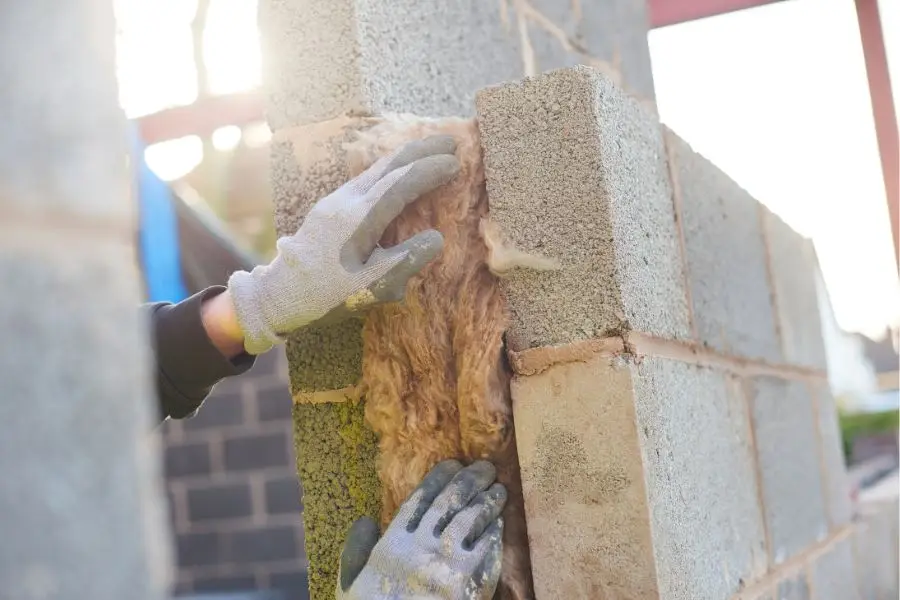
You’re hired to install cavity wall insulation. A Retrofit Coordinator (PAS 2035) assesses the property and creates a retrofit plan. You then complete the work under PAS 2030.
Local Authority or Housing Association
Managing 100+ homes for energy improvements? PAS 2035 helps you scope, design, and manage the project holistically. PAS 2030 ensures installers meet quality benchmarks.
Sole Trader or Small Business
You still need to operate under PAS 2035 guidance. That might mean partnering with certified coordinators or working with a PAS 2035-compliant contractor.
Staying Compliant in 2025 and Beyond
The retrofit landscape is evolving quickly. Here are key actions to maintain compliance:
-
Keep your PAS 2030 certification updated
-
Work with trained Retrofit Coordinators
-
Stay informed on ECO and GBIS updates
-
Use TrustMark registered contractors
FAQs
What is the difference between PAS 2030 and PAS 2035?
PAS 2030 is for installers; PAS 2035 is for planning and managing retrofit projects.
Do all retrofit installers need PAS 2035?
Installers don’t need to be certified in PAS 2035, but must work under a PAS 2035 framework.
Can you be PAS 2030 certified without PAS 2035?
Technically yes, but not if you’re participating in funded schemes like ECO4 or GBIS.
Is PAS 2035 mandatory for ECO4 funding?
Yes. Without a PAS 2035 plan in place, your installation work won’t qualify.
Need help getting certified or unsure where you fit in?
Contact us today for a free PAS 2030/2035 readiness consultation.
Conclusion
PAS 2030 and PAS 2035 are not competing standards but complementary frameworks that together ensure the success and quality of retrofit projects in the UK. Whether you’re an installer, project manager, or housing provider, understanding and aligning with both standards is critical for funding eligibility and long-term project integrity. By recognising their distinct roles and how they interconnect, you can position your business for compliance, credibility, and growth in the retrofit sector.