Introduction: What is PAS 2030
PAS 2030 is more than just a piece of paper—it’s your golden ticket to unlocking energy efficiency markets in the UK. Developed as a Publicly Available Specification by the British Standards Institution (BSI), PAS 2030 outlines the minimum requirements for installing energy efficiency measures (EEMs) in domestic buildings. It is at the core of the government’s push toward its net-zero strategy, particularly under schemes like ECO4 and the Warm Homes: Local Grant.
But why does it matter? Simply put: if you’re not PAS 2030 accredited, you’re already a step behind.
· Access to Government Funding – Without PAS 2030, you’re ineligible for schemes like ECO4, and the Warm Homes: Local Grant.
· Increased Competitiveness – Accreditation makes your business more appealing to local authorities, housing associations, and homeowners.
· Demonstrated Quality Assurance – It proves your installations meet nationally recognised standards for energy efficiency and safety.
· More Tender Opportunities – Many procurement frameworks require PAS 2030 as a minimum entry qualification.
· Reduced Risk of Non-Compliance – Helps protect you legally by aligning your work with up-to-date industry regulations.
· Future-Proof Your Business – As the UK retrofit sector grows, PAS 2030 will become the default standard across all funded projects.

6 Steps for PAS 2030 Certification: Explained in Detail
The six steps outlined below represent the key milestones every installer must complete to achieve certification.
From building a robust Quality Management System (QMS) to demonstrating technical competence and passing a formal assessment, each stage ensures that your business meets the standards set out in PAS 2030:2023.
By following these steps methodically, you’ll not only increase your chances of first-time success but also build a stronger, more resilient organisation ready for long-term growth in the retrofit industry.

Step 1: Implement a Quality Management System (QMS)
Before you even think about audits or applications, you need to have a Quality Management System in place. This system acts as the backbone of your operational process and should reflect how your business ensures quality, consistency, and compliance.
Your QMS must cover:
- Customer service and complaints handling
- Training records and staff competence
- Health and safety procedures
- Record-keeping for each installation
- Internal audits and continuous improvement
💡 Hint: Brighter Compliance offers QMS templates tailored to PAS 2030, saving you hours of setup time.
Step 2: Document Your QMS
Once your QMS is implemented, it must be fully documented in line with PAS 2030:2023 requirements. This isn’t just about ticking boxes—your documentation must demonstrate how your business will deliver compliant work every time.
This step includes compiling:
- Policy statements (e.g. quality, health & safety)
- Process maps or flowcharts
- Roles and responsibilities
- Monitoring and audit schedules
📁 Pro Tip: Keep your documentation organised and version-controlled. Certification bodies will check this during your assessment.
Step 3: Hire a Retrofit Coordinator
If your projects fall under PAS 2035 (as most ECO-funded ones do), you must engage a qualified Retrofit Coordinator. This person is responsible for assessing the property, designing the retrofit strategy, and overseeing compliance.
The Retrofit Coordinator must:
- Hold a Level 5 Diploma in Retrofit Coordination and Risk Management
- Be TrustMark registered
- Work independently from the installation team
🛠 Fact: You don’t need to hire someone full-time—many businesses use freelance coordinators per project.
Step 4: Train Installers and Operatives
Competence is a core requirement of PAS 2030. You must ensure that every installer involved in your projects is properly trained, qualified, and authorised to carry out the specific measure(s).
Accepted evidence includes:
- NVQ Level 2 qualifications (e.g. in Insulation & Building Treatments)
- Manufacturer training certifications
- Site-specific toolbox talks and induction records
🔧 Compliance Tip: Keep training records updated and accessible—they’re one of the first things auditors look for.
Step 5: Obtain Insurance
PAS 2030 mandates specific types of insurance to protect both your business and the homeowner. Certification bodies will request proof of cover before granting your certificate.
You’ll typically need:
- Public liability insurance (often £2 million minimum)
- Employers’ liability insurance
- Professional indemnity insurance (if you carry out design work)
- Workmanship warranties or guarantees
📄 Reminder: Make sure your policies specifically cover energy efficiency installations—not all generic trades policies do.
Step 6: Apply for an Assessment
Once you’re ready, you can apply to a UKAS-accredited certification body (e.g. NAPIT, NICEIC, Simply Certification) for your PAS 2030 assessment. This process typically includes a desktop review of your documentation and an on-site audit of your work.
During assessment, the auditor will:
- Review your QMS documentation
- Check insurance and training records
- Visit a live or completed installation
- Interview key staff
🗂 Expert Insight: Brighter Compliance offers mock audits and document reviews to help you pass first time.
Why PAS 2030 Was Introduced
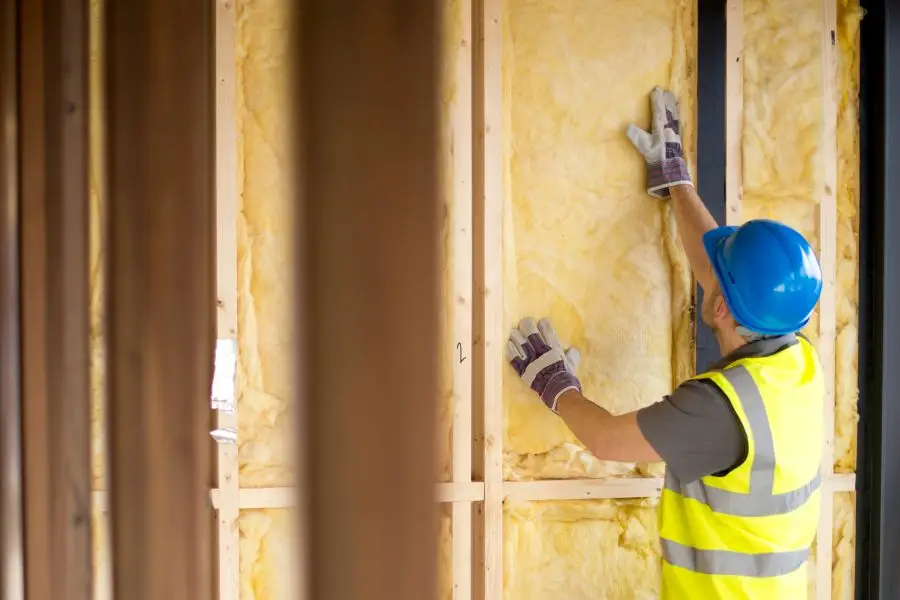
The UK government launched PAS 2030 to ensure retrofit work was carried out consistently, safely, and with lasting energy savings. It addresses not just workmanship, but the process—ensuring that installers use the right materials, follow approved methods, and document everything correctly.
💡 Did You Know?
PAS 2030 is legally required for contractors working under government-funded retrofit schemes. Without it, you can’t access the £1bn+ available through ECO and related programmes.
Who Needs PAS 2030 Accreditation?
If you install insulation, heating systems, ventilation, or glazing measures under funded schemes—you do. Sole traders, SMEs, and large-scale contractors alike must be certified through a UKAS-accredited certification body.
🔧 Compliance Tip:
Ensure your business is registered with TrustMark when applying for PAS 2030. The two are processed together as part of a combined application, so completing both is essential for compliance
PAS 2030 vs PAS 2035: Key Differences
While PAS 2030 covers the installation phase of energy efficiency measures, PAS 2035 focuses on the overall design and planning of retrofit projects. It introduces a holistic, whole-house approach that considers how all elements of a property work together.
Rather than treating upgrades as standalone tasks, PAS 2035 ensures they’re part of a coordinated plan. This includes detailed assessments of the building’s condition, occupancy patterns, and potential risks before any work begins.
In essence, PAS 2035 is the strategic brain—it sets the roadmap for what improvements are needed, how they should be sequenced, and what outcomes should be achieved.
PAS 2030, on the other hand, is the skilled hands. It ensures the actual installation work is carried out to recognised standards, by competent people using approved methods and materials.
Both standards are designed to work together. Under most government schemes, a qualified Retrofit Coordinator oversees the PAS 2035 side, while PAS 2030-accredited installers complete the practical work.
Together, they ensure that retrofit projects deliver real results—improved energy efficiency, reduced carbon emissions, and better living conditions for homeowners.
Difference between PAS 2030 and 2035
When working on energy efficiency improvements under government-backed schemes, it’s essential to know the difference between PAS 2030 and PAS 2035. While both standards are closely linked, they serve different roles within the retrofit process. The table below outlines the key distinctions to help clarify their individual purposes and responsibilities.
| PAS 2030 | PAS 2035 | |
| Focus | Installation standard | Design and assessment framework |
| Who it applies to | Installers | Retrofit Coordinators |
| Primary role | Ensures proper installation of energy measures | Oversees the design, risk assessment, and coordination |
| Compliance requirement | Requires formal certification | Requires TrustMark registration |
| Documentation | Quality Management System (QMS) | Retrofit Assessment, Design, and Improvement Plan |
| Associated standard | PAS 2030:2023 | PAS 2035:2023 |
PAS 2030 Certification Requirements
To achieve PAS 2030 certification, businesses must meet several core requirements that demonstrate both technical capability and organisational compliance. Certification bodies will examine these areas in detail during your assessment, so it’s essential to have each element in place and fully documented.
Technical Competence and Installation Standards
Your installation team must prove they are qualified and competent to carry out the energy efficiency measures they offer. This means holding industry-recognised qualifications—typically NVQ Level 2 or equivalent in the relevant trade or measure.
Installers must also provide:
- Evidence of past installations (e.g. photographs, job sheets)
- Manufacturer-approved training certificates
- On-site supervision logs, where applicable
💡 Tip: Keep an up-to-date training matrix to track staff qualifications. It’s often requested during audits.
Quality Management Systems (QMS)
A strong Quality Management System is a cornerstone of PAS 2030 certification. It shows how your business ensures quality, tracks performance, and resolves issues.
Your QMS must include written procedures and supporting evidence for:
- Document control – Managing records, version control, and access
- Customer complaints – Logging, investigating, and resolving issues
- Internal audits – Regular reviews to check compliance and drive improvement
- Risk assessments – Site-specific evaluations to ensure safety and legal compliance
📋 Quick Insight: Based on internal industry feedback, a significant number of first-time PAS 2030 applicants struggle with QMS documentation—often leading to audit delays or non-compliance notices. Brighter Compliance offers tailored templates and expert support to help get it right the first time.
Health, Safety, and Environmental Compliance
PAS 2030 doesn’t just assess the quality of your installation work—it also requires your business to follow strict health, safety, and environmental (HSE) protocols. These ensure that retrofit projects are carried out responsibly, both for the protection of your workforce and the homeowners.
Installers must adhere to the following key regulations:
- CDM Regulations (Construction Design and Management)
These regulations ensure all health and safety risks are properly planned, managed, and monitored throughout the installation process. Installers must provide site-specific risk assessments, method statements (RAMS), and maintain clear communication with the Retrofit Coordinator and client. - COSHH (Control of Substances Hazardous to Health)
If your work involves adhesives, insulation materials, or cleaning agents, COSHH requires safe handling, storage, and use of these substances. Installers should be trained to read data sheets and wear appropriate PPE. - Safe Disposal of Waste Materials
Any waste generated on-site—such as old insulation, packaging, or materials—must be disposed of legally and responsibly. Installers should segregate waste, use licenced carriers, and keep disposal records where required.
♻️ Sustainability Tip:
Eco-compliant disposal practices not only meet PAS 2030 requirements but also reflect positively on your business’s environmental credentials—an increasing priority for clients and funders.
Maintaining HSE compliance isn’t just about ticking boxes. It’s about protecting people, avoiding costly enforcement action, and delivering projects to the highest professional standard.
Understanding the Scope of PAS 2030
PAS 2030 applies to a wide range of energy efficiency measures commonly used in UK retrofit and home improvement projects. Whether you’re insulating a loft or installing advanced low-carbon technologies, this standard sets out the required technical processes, qualifications, and compliance checks that must be followed by certified installers.
Each measure listed under PAS 2030 has its own unique set of technical standards, installation requirements, and documentation protocols. This ensures that the work carried out is not only safe and compliant, but also effective in delivering long-term energy savings and reduced emissions.
Measures and Installations Covered by PAS 2030
The standard currently includes more than 25 recognised energy efficiency measures, which can be grouped into several key categories:
Insulation Measures
Designed to reduce heat loss and improve thermal performance:
- Loft insulation
- Cavity wall insulation
- Solid wall insulation (internal and external)
- Room-in-roof insulation
- Underfloor insulation
Heating and Hot Water Systems
Aimed at improving energy efficiency and reducing fuel bills:
- Condensing boilers
- Heating controls
- Hot water cylinder insulation
- Flue gas heat recovery units
Ventilation Improvements
Ensures air quality and moisture control in airtight homes:
- Mechanical ventilation with heat recovery (MVHR)
- Positive input ventilation (PIV) systems
Low-Carbon and Renewable Technologies
Helps transition to cleaner energy sources:
- Air source heat pumps
- Ground source heat pumps
- Solar thermal systems
- Micro combined heat and power (micro-CHP)
- Biomass boilers
These measures are commonly found in government-funded schemes such as ECO4, the Home Upgrade Grant, and the Social Housing Decarbonisation Fund (SHDF). If you plan to install any of the above under these programmes, you must be PAS 2030 certified.
✅ Pro Tip: Even if you only install one or two types of measures, your PAS 2030 certification must specifically cover each one you intend to offer. Certification bodies won’t accredit you for installations you haven’t proven competence in.
Interaction with TrustMark and MCS
To operate under PAS 2030, you must be TrustMark registered—the only government-endorsed quality scheme for UK home improvements. For low-carbon installations like solar PV or heat pumps, PAS 2030 works in tandem with MCS (Microgeneration Certification Scheme).
🔍 Expert Insight from Brighter Compliance:
We often find clients overlook the integration of MCS with PAS 2030. Our consultants streamline this coordination, saving time and avoiding failed audits.
Supporting ECO and Retrofit Schemes
PAS 2030 is your gateway to government-funded retrofit work—most notably the Energy Company Obligation (ECO) scheme. If your business isn’t PAS 2030 certified, you won’t be eligible to access the funding available through ECO or similar retrofit initiatives.
The ECO scheme, now in its fourth phase (ECO4), obligates energy companies to fund energy-saving upgrades in homes—particularly those occupied by vulnerable or fuel-poor households. This work is delivered through a network of PAS 2030-accredited installers, ensuring that improvements are both high-quality and compliant with government standards.
Without PAS 2030, your business is effectively locked out of a multi-billion-pound market. Local authorities, housing associations, and managing agents require accredited partners to carry out works tied to ECO, the Home Upgrade Grant, and the Social Housing Decarbonisation Fund (SHDF).
💡 Did You Know?
Over £1 billion is being allocated through ECO4 between 2023 and 2026. Only PAS 2030-certified businesses can deliver installations under this scheme.
Being certified not only makes your business more competitive but also gives clients peace of mind knowing they are working with a competent, compliant provider. In short, PAS 2030 isn’t just a quality mark—it’s a commercial necessity for anyone wanting to grow in the retrofit space.
The Role of Brighter Compliance
At Brighter Compliance, we simplify PAS 2030 so you can focus on what you do best—installing great systems.
How We Reduce Risk
- Pre-audit health checks
- Document preparation
- QMS development
- Installer training
- Post-certification monitoring
Why Clients Choose Us
- 98% first-time pass rate
- Fixed-fee pricing
- Personalised consultant support
⭐ Pro Tip from Brighter Compliance:
Preparing for your audit is like revising for an exam. Don’t wing it—have your paperwork and processes stress-tested before the certifier arrives.
Common Barriers to PAS 2030 Compliance
Achieving PAS 2030 accreditation can be straightforward with the right preparation—but many contractors face delays or rejections due to avoidable mistakes. Below are the most common compliance barriers and how to overcome them:
Documentation and Audit Failures
Inconsistent or missing documentation is one of the most frequent causes of audit failure. Certification bodies require detailed evidence that your installations meet the standard.
Make sure you’re consistently keeping:
- Pre- and post-installation photos
- Signed customer declarations and contracts
- Job-specific risk assessments
- Material invoices and delivery notes
- Completed handover forms and warranty documents
⭐ Pro Tip: Use a cloud-based storage system to organise and retrieve audit documents efficiently. Brighter Compliance offers file structure templates to help with this.
Installation Non-Conformance
Even experienced tradespeople can fall short if they use the wrong materials or deviate from best practices.
Common issues include:
- Using non-certified or incompatible products
- Lack of detail in air tightness and insulation continuity
- Poor workmanship due to inadequate supervision
- Skipping steps in the manufacturer’s installation guide
Regular training and onsite checks are essential to prevent these mistakes.
Misunderstanding Retrofit Roles
Many installers unknowingly operate outside the limits of PAS 2030 when they take on tasks reserved for PAS 2035 roles.
Avoid confusion by clearly defining responsibilities:
- Retrofit Assessor: Surveys and assesses property condition
- Retrofit Coordinator: Designs and manages the retrofit process
- Installer: Delivers the specified work only
📘 Tip: Collaborate closely with the Retrofit Coordinator to ensure your installations align with the project’s overall design intent.
Insufficient Installer Competence
Every operative working on-site must be trained and qualified for the specific measure they are installing. General trade experience isn’t enough.
Issues include:
- Missing or expired NVQ certifications
- No evidence of manufacturer-specific training
- No records of Continuing Professional Development (CPD)
Routine skills audits and refresher training can help maintain compliance.
Lack of Internal Quality Controls
Many businesses don’t realise that PAS 2030 requires an internal auditing process to be in place. Failing to conduct regular internal checks can result in major non-conformities during certification audits.
Your QMS should include:
- A schedule for internal quality reviews
- Site inspections and peer reviews
- Documented corrective actions when issues are found
🧾 Reminder: Auditors often ask to see proof of these internal controls in action, not just written procedures.
PAS 2030 Checklist Free
Download Your Free PAS 2030 Checklist
Brighter Compliance offers a no-obligation, downloadable PDF checklist to help you get audit-ready.
| The Checklist Covers |
| Company Information – To demonstrate that the business is financially and operationally robust.Competency – To show that all staff and contractors are appropriately qualified.Process – To demonstrate that the business is operating in line with PAS 2030 processes.Evidence – To prove that standards are being followed in practice. |
📥 Download Now – PAS 2030 Checklist (PDF)
Benefits of PAS 2030
Becoming PAS 2030 certified isn’t just about ticking a regulatory box—it’s a strategic move that can open doors to new revenue streams, strengthen your brand, and give you a competitive edge in a fast-growing market. For contractors and businesses working in the energy efficiency and retrofit sector, PAS 2030 serves as a mark of quality, trust, and capability.
Here are some of the most valuable benefits of achieving PAS 2030 accreditation:
- Win high-value ECO contracts
Access funded work through ECO4, HUG, and SHDF frameworks. - Prove credibility to clients
Accreditation builds trust with homeowners, landlords, and local authorities. - Access government-backed schemes
Only PAS 2030-certified installers are eligible to work under major UK retrofit programmes. - Improve installation quality
Structured processes and QMS frameworks raise the standard of work across your business. - Future-proof your business
Stay ahead of evolving regulations and align with the UK’s long-term net-zero goals.
✅ Bonus Benefit: Many public sector tenders and procurement frameworks now include PAS 2030 as a baseline requirement—certification gives you a foot in the door for long-term, scalable work.
Whether you’re looking to expand your operations, secure consistent retrofit work, or simply build a more resilient business, PAS 2030 certification is a critical step. It helps you demonstrate that your work is compliant, high-quality, and fit for the future of energy efficiency in the UK.
Monitoring, Auditing, and Ongoing Compliance
Achieving PAS 2030 certification is a significant milestone—but it’s not the finish line. To maintain your accredited status and continue working on funded schemes, your business must demonstrate ongoing compliance through regular assessments and operational discipline. Certification bodies, TrustMark, and other stakeholders require visible, auditable evidence that you’re maintaining high standards.
What Happens After Accreditation?
Once you’re certified, your business enters an annual cycle of compliance checks. These assessments are designed to ensure that the quality of your installations, documentation, and processes remain consistent over time.
You can expect the following post-certification activities:
- Annual on-site audits
These are formal inspections carried out by your certification body to verify that your installations remain compliant with PAS 2030 standards. - Random inspections
Unscheduled audits may occur to ensure consistency across different jobs and sites. - TrustMark reviews
TrustMark may also carry out its own checks, especially if complaints or anomalies are flagged through the Data Warehouse.
🔍 Insight: Post-certification audits are more rigorous than many expect. Treat every job like it could be inspected—and you’ll rarely get caught out.
Tips for Staying Compliant
Maintaining compliance doesn’t need to be difficult, but it does require ongoing attention to process, training, and documentation. The key is to build good habits into your daily operations so that audit preparation becomes second nature.
Here are some simple but powerful ways to stay audit-ready:
- 📋 Log every job
Keep accurate records for every installation, including site photos, signed forms, and customer feedback. - 🗂 Keep your QMS updated quarterly
Review your procedures and make updates as needed to reflect changes in staffing, tools, or regulations. - 👷♂️ Train new staff before deployment
Don’t let unqualified or untrained staff work on installations—they must understand and follow PAS 2030 protocols from day one.
📣 Quick Tip from Brighter Compliance: Schedule an internal review every three months. It’s a great way to catch issues early and stay in control.
What’s Changing in PAS Standards?
Transition to PAS 2030:2023
The newer version emphasises:
- Whole-house thinking
- Links to PAS 2035
- Better consumer protections
🔄 Update Reminder:
All contractors must transition to PAS 2030:2023 to remain compliant—no exceptions.
FAQs
How long does PAS 2030 accreditation take?
Typically 6–12 weeks with proper preparation.
What happens if I fail the audit?
You’ll be given time to correct non-conformities and may face a re-audit.
Can sole traders get PAS 2030?
Yes, but they must still meet all documentation and insurance requirements.
What’s the cost range?
The cost of PAS 2030 certification is typically £1,500–£3,000 on average, not including consultancy support.
Do I need PAS 2035 too?
Only if you’re acting as a Retrofit Coordinator or involved in project design.
Is PAS 2030 mandatory for all retrofit work?
No, but it’s required for work under funded schemes (ECO, HUG, SHDF)
Conclusion
PAS 2030 isn’t just a certification—it’s a gateway to long-term success in the UK retrofit and energy efficiency industry. As the government continues to invest in schemes like ECO4, SHDF, and the Home Upgrade Grant, the demand for certified, competent installers is only set to grow. Without PAS 2030, your business will remain on the sidelines, unable to tap into these high-value opportunities.
Getting accredited may feel daunting at first, but with the right support, it becomes a clear, manageable process. From setting up your Quality Management System (QMS) to passing audits and staying compliant, each step brings you closer to becoming a trusted provider in a booming sector.
If you’re serious about growing your business, building a reputation for quality, and securing future-proof contracts, PAS 2030 is a must. And you don’t have to navigate it alone.
At Brighter Compliance, we’ve helped businesses of all sizes achieve PAS 2030 with confidence and clarity. Whether you need templates, training, or full consultancy support, our expert team is here to guide you from start to certification—and beyond.