MCS Certification

MCS Certification Guide

Introduction to MCS Certification

Contents hide

The renewable energy landscape in the UK is booming—and with good reason. As energy prices soar and government incentives flourish, consumers and businesses alike are turning to clean energy technologies. But with opportunity comes responsibility. That’s where MCS certification steps in.

As the demand for solar PV, heat pumps, and biomass systems grows, so does the need for skilled, certified installers. Becoming MCS certified isn’t just a feather in your cap—it’s a strategic move to future-proof your business.

MCS Certification

What is MCS Certification?

Put simply, MCS certification is a quality assurance standard for small-scale renewable technologies. It covers both products and installers.

  • The scheme applies to technologies like solar photovoltaic (PV), air-source heat pumps, ground-source heat pumps, and biomass boilers.
  • Certified status is awarded to installers and products that meet MCS’s rigorous technical and management system standards.

So, whether you’re an installer seeking to stand out or a customer seeking reassurance, MCS is your benchmark.

What is the MCS Standard

The MCS standard isn’t a one-size-fits-all document. It comprises multiple standards tailored to specific technologies and processes.

  • For example, MCS 001 covers installer certification schemes.
  • Technology-specific standards like MIS 3001 (solar PV) or MIS 3005 (heat pumps) lay out installation benchmarks.

MCS standards are regularly reviewed to align with evolving regulations and technological advancements, ensuring a dynamic, reliable framework.

Benefits of MCS Certification

Achieving MCS certification can open doors—both literally and figuratively.

Key benefits include:

  • Access to government incentives such as the Smart Export Guarantee (SEG)
  • Enhanced customer trust, improving lead conversion
  • Improved marketability on platforms that prioritise certified installers

With an MCS badge on your van or website, you’re instantly more credible. In a competitive industry, that’s pure gold.

Why MCS Matters for Installers

Whether you’re a domestic roofer branching into solar or a full-service renewable energy firm, MCS certification is a powerful differentiator in a crowded market.

  • Certified businesses are listed in the official MCS installer directory, making it easier for potential customers to find and trust you.
  • Many local councils and housing associations require MCS for participation in publicly funded energy schemes, giving certified businesses access to more work opportunities.
  • MCS status is a clear signal of professionalism and competence, assuring customers of quality and regulatory compliance.

MCS is about future-proofing your business and positioning yourself as a reliable, credible player in the growing renewables industry.

Certification vs Accreditation

The terms certification and accreditation are often confused—but they refer to two very different levels of assurance within the quality and compliance ecosystem.

  • Certification is the process by which a business (like a renewable energy installer) is assessed and approved against a specific set of technical or management standards. In the case of MCS, this means demonstrating compliance with requirements like installer competence, documentation, health and safety, and installation quality.
  • Accreditation, on the other hand, refers to the formal recognition of the certification body itself. It means the organisation that certifies you has been independently assessed as competent to carry out that certification work—typically by a national authority such as UKAS (the United Kingdom Accreditation Service).

In short:
Certification checks the business.
Accreditation checks the certifier.

This dual layer of quality control ensures confidence at every level of the process. MCS Accreditation is only valid when issued by a UKAS-accredited Accreditation Body, adding a crucial layer of trust and legitimacy that both consumers and public bodies rely on.

MCS vs Other Certifications

While MCS certification plays a leading role in the renewables sector, it isn’t the only certification scheme out there. Different schemes serve different purposes—some focus on consumer protection, others on energy efficiency or specific trade skills.

Here’s how MCS compares to other key UK schemes:

Other Relevant Schemes:

  • TrustMark – Government-endorsed quality scheme focused on consumer protection and workmanship guarantees.
  • PAS 2030 – Mandatory for businesses installing energy efficiency measures under the Energy Company Obligation (ECO) scheme.
  • NICEIC – Certification of electrical competence, widely recognised in the electrical trade.

However, MCS stands apart because it’s directly tied to financial incentive schemes like the Smart Export Guarantee (SEG) and many local authority funding programmes. For businesses operating in solar PV, heat pumps, or biomass, MCS isn’t just beneficial—it’s often non-negotiable.

Certification Scheme Comparison

Certification Scheme

Main Focus

Required For

Incentive-Linked

Overseen By

MCS

Small-scale renewable energy systems

SEG, council schemes, public trust

✅ Yes

UKAS-accredited bodies

TrustMark

Consumer protection and workmanship

Green Homes Grant (legacy), some local schemes

❌ No

TrustMark Ltd (government-endorsed)

PAS 2030

Energy efficiency installation standards

ECO-funded works

✅ Indirectly

BSI/other certifiers

NICEIC

Electrical safety and competence

Electrical compliance

❌ No

Certsure LLP


Bottom line:
While other schemes complement your compliance profile, MCS is essential for accessing renewable energy incentives and building market credibility in the green energy space.

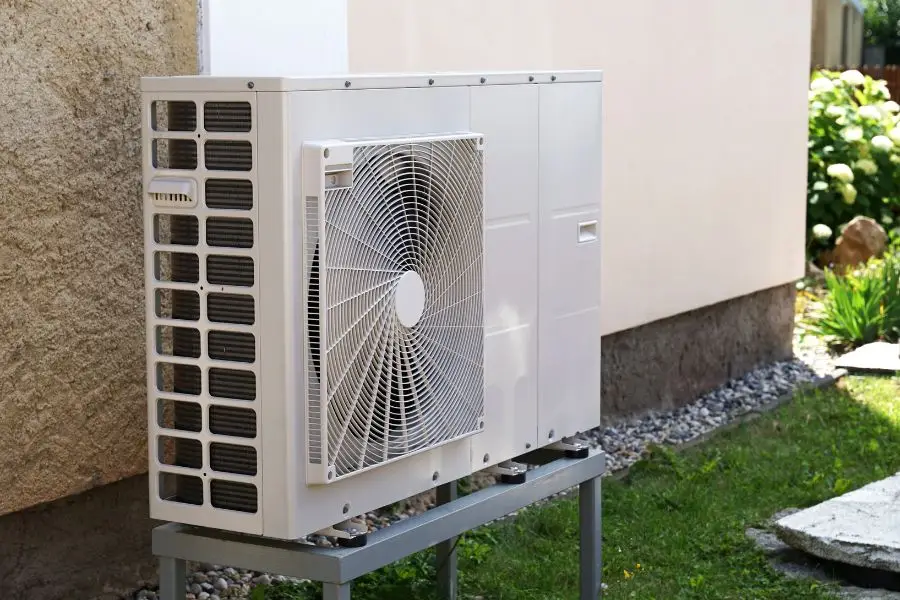
Outdoor air-source heat pump system installed beside a home, certified under the MCS scheme.

MCS Certification Requirements

Before you can apply for MCS certification, your business must meet a number of technical, operational, and compliance standards. These aren’t just formalities—they’re designed to ensure high-quality, safe, and consistent renewable energy installations.

Below is an overview of the key requirements. You can also download a full MCS Certification Checklist here to make sure your business is fully prepared.

Core MCS Requirements Include:

  • A Documented Quality Management System (QMS)
  • Qualified Staff for Installations and Inspections
  • Evidence of Past Installations
  • Health & Safety Compliance
  • Technical Reference Documents
  • Customer Communication Process
  • Calibration and Equipment Logs
  • Insurance Cover
  • UK-Based Operations
  • Internal Audit & Management Review

Who Can Apply for MCS Certification?

You don’t need to be a large corporation to qualify. In fact, many microbusinesses and sole traders successfully get certified.

Typical eligibility includes:

  • Businesses installing eligible technologies
  • Sole traders with verifiable qualifications
  • Organisations with an office base in the UK

Whether you’re just starting out or expanding into renewables, MCS is accessible.

How to Get an MCS Certificate Step by Step

Becoming MCS certified involves a structured, multi-stage process designed to assess your business’s technical capability, quality assurance practices, and regulatory compliance.

Here’s a detailed breakdown of the process:

1. Select a UKAS-Accredited Certification Body

Start by choosing an MCS-approved Certification Body (e.g., Simply Certification, NAPIT, BRE Global). These organisations are accredited by UKAS and authorised to carry out MCS assessments.

2. Submit Your Application and Documentation

Once you’ve chosen a provider, submit your application along with all required documentation. This includes:

  • Your Quality Management System (QMS) manual
  • Evidence of health and safety policies
  • Staff qualifications and certifications
  • Insurance certificates and business registration details
  • A record of previous installations (or a plan for a simulation)

3. Prepare for Your Desktop Audit

This is a thorough review of your documentation by the Certification Body. They will assess whether your Quality Management System (QMS) meets the relevant MCS standards (typically MCS 001 and a technology-specific MIS document like MIS 3001 for solar PV).

Key documents to prepare include:

  • Process maps or procedures for installation, customer service, and complaints
  • Staff training records and qualifications
  • Equipment maintenance and calibration logs
  • Risk assessments and method statements
  • Internal audit and management review reports

✅ Tip: Run a mock audit internally to ensure everything is up to date and compliant.

4. Schedule Your On-Site Audit

The next stage is a site-based audit. This can involve a live installation or a realistic simulation if no actual job is available during the audit window.

Auditors will:

  • Observe the installation process
  • Interview your staff
  • Assess compliance with technical standards (e.g., wiring, mounting, safety practices)
  • Verify that documentation matches on-site practices

✅ Tip: Choose a job site that represents your typical standard of work.

5. Rectify Any Non-Conformities

If the auditor finds issues (called non-conformities), you’ll be given a chance to correct them. This might include updating documents, providing missing evidence, or improving technical practices.

You’ll need to:

  • Submit corrective actions
  • Provide evidence of changes
  • Possibly undergo a follow-up audit

✅ Tip: Take all feedback seriously and respond promptly to avoid delays.

6. Receive Your Certificate

Once your documentation and on-site audit are approved—and any non-conformities are resolved—you’ll be issued an MCS certificate.

Your business will be:

  • Added to the MCS installer directory
  • Officially authorised to offer MCS-approved installations
  • Eligible for schemes like the Smart Export Guarantee (SEG)

Final Thought

Done right, MCS certification is a clear, achievable process—but it hinges on thorough preparation. Use a checklist, train your team, and don’t underestimate the importance of internal audits and clear documentation. The reward? A trusted badge of quality that opens doors in the renewable energy market.
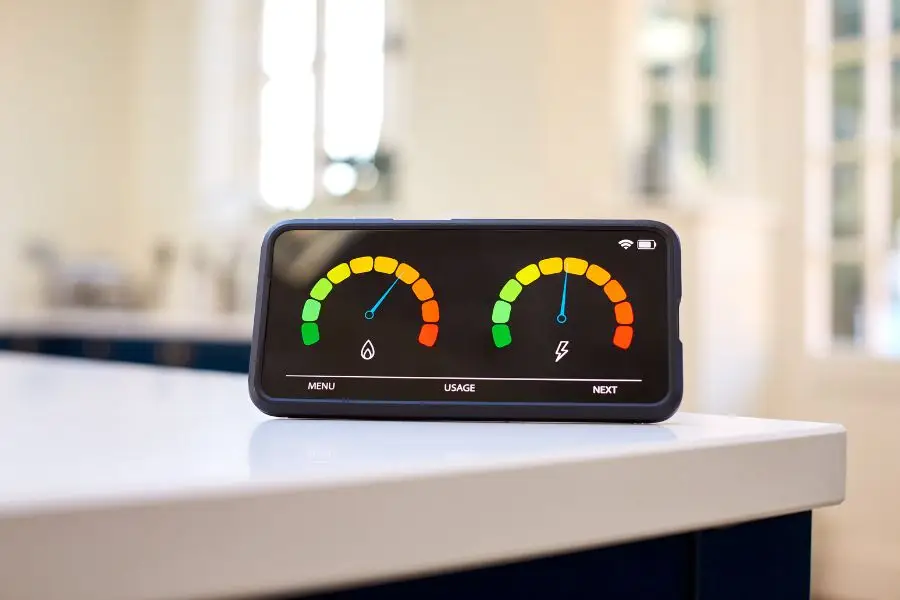

Digital smart meter displaying real-time gas and electricity usage in a home with MCS-certified technologies.

How Long Does It Take to Get an MCS Certificate?

The timeline for obtaining MCS certification depends largely on how prepared your business is before starting the process. Delays often stem from incomplete documentation or scheduling constraints, so the more organised you are, the faster things move.

Typical duration:

  • Preparation: 2–6 weeks
    Time needed to compile your Quality Management System (QMS), gather required documents, and ensure staff qualifications and internal processes meet MCS standards.
  • Audit Scheduling: 1–3 weeks
    Once your application is submitted, your chosen Certification Body will schedule a desktop and on-site audit, depending on availability and your readiness.
  • Certification Decision: Within 2 weeks post-audit
    After the audit, the Certification Body reviews your compliance and issues a decision—assuming any non-conformities are resolved promptly.

In total, you should allow for 6 to 12 weeks from application to certification. Some Certification Bodies do offer fast-track options, but these often depend on having a well-prepared QMS and experienced staff from the outset.

Being proactive and organised can make the difference between a quick turnaround and avoidable delays.

MCS Certification Cost

Costs vary, but budgeting is key to avoiding surprises.

Estimated costs include:

  • Application and audit: £1,500 – £3,000
  • Ongoing certification fees: £500 – £1,000/year
  • Optional consultancy: £500 – £2,000

Although an upfront investment, many installers recoup costs quickly through SEG eligibility and increased business.

Funding Options for MCS Certification

Worried about the cost of becoming MCS certified? You might not need to cover it all out of pocket. A number of organisations and local authorities offer support for renewable energy businesses, especially those expanding into sustainable technologies.

Potential funding sources include:

  • Local Enterprise Partnerships (LEPs)
    LEPs offer business support, including potential funding for training, audits, and operational improvements. Use the directory to find your regional LEP.
  • Growth Hubs
    Growth Hubs connect local businesses with funding, advice, and support services. They’re an excellent resource for SMEs preparing for certification.
  • Innovate UK
    Part of UK Research and Innovation, Innovate UK provides grants and loans for innovative businesses, including those in the green tech and renewable energy sectors.
  • Green Homes Grant successor schemes
    While the original scheme has closed, its successor funds are managed at the local level—especially via councils and combined authorities.
  • Local council renewable support schemes
    Many UK councils offer sustainability grants, low-carbon innovation funding, or energy-efficiency business incentives. Check your local authority’s website or contact their business team for details.

💡 Tip: Funding availability varies by region, so always check with your local authority, Growth Hub, or LEP for the most relevant and up-to-date opportunities in your area.

Common Challenges in Obtaining MCS

Getting MCS certified is achievable—but it’s not without its challenges. Many businesses run into avoidable roadblocks due to a lack of preparation or misunderstanding of the requirements. The good news? Most of these issues can be tackled with proper planning and support.

Common pitfalls include:

  • Incomplete Quality Management System (QMS) documentation
    Missing or inconsistent procedures, lack of version control, or poor document structure can lead to audit failures.
  • Staff lacking recognised qualifications
    Installers must have up-to-date and relevant industry certifications; uncertified or untrained team members can disqualify an application.
  • Poor audit preparation
    Not rehearsing a mock install, missing key documentation, or being unfamiliar with your own QMS can result in non-conformities.
  • Lack of evidence from past or simulated installations
    You must provide thorough and well-documented case examples that meet MCS standards.
  • Non-compliance with health and safety regulations
    Risk assessments, training records, and safe working practices must be in place and provable.
  • Outdated technical standards or product use
    Using non-compliant technologies or outdated installation practices can lead to rejection.
  • Inadequate internal communication
    Team members unaware of processes or responsibilities during the audit can signal disorganisation.
  • Failure to complete a self-assessment or internal audit
    Skipping this step often results in easily avoidable oversights.

🛠️ Pro tip: Consider conducting a mock audit and reviewing the MCS Standards ahead of your formal assessment. Solid preparation now can save you time, money, and frustration later.

Tips for Passing an MCS Assessment

When it comes to your MCS audit, preparation beats panic—every single time. Many applicants fail not because they lack competence, but because they overlook key documentation or processes. A little foresight goes a long way.

Top tips include:

  • Conduct a mock internal audit
    Simulate the real assessment to identify any weak spots in your documentation or procedures.
  • Ensure all documents are up-to-date
    Your Quality Management System (QMS), installation records, insurance policies, and staff credentials must reflect your current operations.
  • Train your staff on MCS expectations
    Make sure everyone involved understands your processes, can speak to their role during the audit, and knows the importance of compliance.
  • Review previous installations for compliance
    Go over past or simulated installations and ensure they align with the relevant MCS standards for your technology.
  • Consider working with an MCS consultant
    If you’re short on time or new to certification, a consultant can help you prepare faster, avoid common pitfalls, and ensure your QMS is audit-ready.

.

What Happens During the MCS Audit?

The MCS audit is a structured, two-part process designed to assess whether your business meets the scheme’s quality, technical, and procedural requirements. It typically includes a desk-based review and a site-based visit, both carried out by your chosen UKAS-accredited Certification Body.

MCS Auditor checks typically include:

  • Reviewing your Quality Management System (QMS) against MCS 001
    The auditor will assess whether your documented processes comply with the overarching standard and are consistently applied across your operations.
  • Observing an actual or simulated installation
    You must demonstrate a real or mock installation that aligns with technology-specific standards (like MIS 3001 or MIS 3005). This may include checking installation techniques, safety procedures, and system commissioning.
  • Interviewing staff on procedures and policies
    The auditor will ask relevant staff questions to confirm they understand and follow internal procedures—particularly around safety, quality, and customer communication.

Depending on your readiness, the auditor may flag non-conformities, which you’ll be required to address within a specified timeframe.

A modern house with a large rooftop solar panel array installed in line with MCS certification standards.

After You Get MCS Certified

Congratulations! Now, you’re on the map—but the work isn’t over.

Ongoing obligations:

  • Annual surveillance audits
  • Keeping documentation current
  • Adhering to updated MCS standards

Being proactive keeps your status active—and customers happy.

How to Renew Your MCS Certification

Renewal is usually annual and involves fewer steps than the initial process.

Renewal tasks:

  • Pay annual fees
  • Complete a surveillance audit
  • Submit updated documentation

Missed renewals can result in suspension or withdrawal, so mark your calendar.

Is an MCS Certificate the Same as Building Regulations?

In short: no—but they are closely connected.
MCS certification is not a legal requirement, while Building Regulations are. However, MCS-certified installers are often better positioned to meet the relevant building compliance standards, thanks to the scheme’s rigorous focus on quality, safety, and best practice.

🧾 Key Differences Between MCS and Building Regulations

Feature

MCS Certification

Building Regulations

Legal Requirement

❌ Voluntary

✅ Mandatory for all relevant installations

Focus

Quality assurance for small-scale renewables

Legal compliance for safety, efficiency, and structure

Issued By

UKAS-accredited Certification Bodies

Local authority building control or approved inspectors

Linked to Incentives

✅ Yes – e.g., Smart Export Guarantee (SEG)

❌ No direct link, but non-compliance can void funding

Relevance to Installers

Demonstrates professionalism and competence

Ensures installations meet legal safety and performance standards

Example Standards

MCS 001, MIS 3001, MIS 3005

Part L (energy), Part P (electrical), etc.

MCS and Building Compliance in the UK

Your installation must satisfy national building codes, including:

An MCS installer is expected to understand and comply with all.

Marketing Your MCS Certification

Why hide your badge of honour?

Promotion tips:

  • Feature your MCS logo on your website and vans
  • Link to your listing on the MCS installer database
  • Mention your certification in SEO content and blog posts

Common Misconceptions About MCS

Myths abound, but here’s the truth.

  • MCS is not mandatory, but essential for incentive eligibility.
  • It’s not only for large firms—sole traders qualify too.
  • It’s not just about paperwork—it’s about quality.

Knowledge dispels confusion, and accurate info empowers your business.

Can a Company Lose MCS Status?

Yes—and it happens more often than you’d think.

Reasons for suspension:

  • Failure to pass surveillance audits
  • Breach of code of conduct
  • Repeated customer complaints

Stay on top of your processes to protect your status.

MCS Help: Should You Hire a Consultant?

Navigating the MCS certification process can be daunting—especially if it’s your first time dealing with formal compliance or documentation systems. In these cases, bringing in an experienced MCS consultant can make a significant difference.

Pros of using an MCS consultant:

  • Saves time and reduces errors
    A consultant knows the process inside out and can help you avoid common mistakes that delay certification.
  • Speeds up application and audit readiness
    With their guidance, you can streamline your preparation, ensuring all required documents and procedures are in place quickly and efficiently.
  • Provides document templates and builds your QMS
    Consultants often supply ready-to-use templates for policies, procedures, and checklists—saving you the headache of creating everything from scratch.
  • Offers hands-on support and tailored advice
    You’ll get personalised guidance based on your business model, helping you focus on what matters most for your specific operation.

Consultants are especially valuable for businesses new to compliance, smaller teams with limited admin resources, or anyone on a tight timeline aiming for a smooth first-time pass.

Recommended MCS Certification Providers

Here are some UKAS-accredited bodies to consider:

  • Simply Certification
  • BRE Global
  • OFTEC

Each offers slightly different packages and costs, so compare before committing.

FAQs

What is the purpose of MCS certification?
To ensure that small-scale renewable energy installations meet quality and safety standards in the UK.

Do I need MCS to offer solar panels?
If you want your customers to qualify for government incentives like SEG, yes.

Can I get MCS certified as a sole trader?
Absolutely—many small businesses and sole traders hold MCS certification.

What’s the cost of not being MCS certified?
You’ll lose out on government-backed leads, incentives, and broader market trust.

Is MCS certification hard to get?
It takes effort and preparation, but with the right tools and guidance, it’s achievable.

Does MCS certification expire?
Yes. It requires annual renewal and continued compliance.

A vertical-axis wind turbine against a blue sky, suitable for small-scale use under MCS certification.

Conclusion

In a sector as competitive and regulated as renewable energy, MCS certification is more than a credential—it’s your business passport. It opens doors to incentives, earns customer trust, and positions your brand as one that cares about quality and compliance.

So if you’re ready to take your green credentials to the next level, start your MCS journey today.