Introduction to MCS Audit
As the UK accelerates its journey toward a carbon-neutral future, the term MCS audit has become a buzzword among renewable energy installers. But what does it mean? Why is it critical? And more importantly, how can you ace it? Whether you’re a seasoned installer or just starting your journey into solar PV, heat pumps, or biomass systems, understanding the MCS (Microgeneration Certification Scheme) audit is no longer optional—it’s essential.
This guide provides an all-inclusive look into the MCS audit process, certification standards, costs, and compliance tips. Stick around, because if you’re aiming for credibility, eligibility for government incentives, and long-term success, this article will be your go-to playbook.

What is an MCS Audit?
An MCS audit is an independent evaluation carried out by an MCS certification body to ensure that renewable energy installers meet the required technical and management standards set by the scheme. These audits are crucial for verifying that installations are safe, reliable, and adhere to industry best practices.
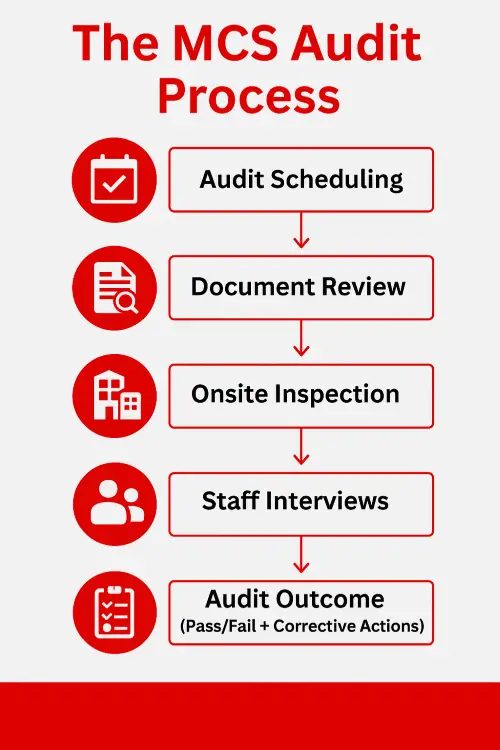
Generally, MCS audits occur annually and consist of a detailed review of processes, documentation, installations, and staff competency. Installers under this scheme are subject to both desktop (remote) and onsite audits, depending on the risk profile of their operations and the certification body’s discretion.
The goal of the audit is not to catch installers out, but rather to ensure that quality assurance is upheld across the entire sector.
What is an MCS Assessment?
An MCS assessment refers to the formal process by which an installer is evaluated to determine whether they meet the Microgeneration Certification Scheme’s requirements. While audits are typically annual, the initial MCS assessment is a full-blown inspection that includes:
Review of documented quality management systems
Inspection of installed renewable systems
Interviews with technical and office staff
Health & safety compliance checks
The process distinguishes itself from ongoing surveillance audits because it’s far more intensive. Think of it as your gateway to entering the MCS club. Pass it, and you’re well on your way to gaining trust and access to government subsidies.
MCS Audit Accreditation
MCS accreditation is the formal recognition that a certification body has the authority to assess and certify installers under the scheme. This authority stems from UKAS (United Kingdom Accreditation Service).
Here’s how it flows:
UKAS accredits certification bodies
Those bodies conduct audits for installers
Accredited installers become eligible for MCS certification
This layered system ensures impartiality and integrity throughout the entire certification process. Therefore, always ensure your certifier is UKAS-accredited.
How to Pass an MCS Audit
Successfully navigating an MCS audit doesn’t have to feel like a minefield. With the right preparation, mindset, and systems in place, even first-time installers can breeze through the process. Below are the key areas you need to cover, complete with actionable advice and resources.
MCS Audit Checklist
Preparation is half the victory. To help you stay organised and audit-ready, we’ve created a free downloadable MCS checklist. Use it to keep your documentation and processes in order:
Installation design and commissioning records
Staff training certificates and CPD logs
Complaints handling log
Product technical documentation
Risk assessments and method statements
Insurance certificates
Calibration certificates for test equipment
Subcontractor agreements and due diligence records
Tip: Create a digital folder labelled by year, and update it quarterly so you’re never scrambling at the last minute.
MCS Audit Questions
Here’s what auditors typically ask during an MCS audit:
How do you manage staff training and competency?
What is your internal procedure for complaint handling?
Can you walk me through a recent system design?
How do you ensure product compliance with MCS standards?
How are post-installation checks documented?
Auditors aren’t out to get you—they just need to verify you’re operating responsibly and transparently.
Preparing Your Team
It’s essential that everyone in your organisation understands their role in the audit process. Organise a pre-audit briefing:
Assign specific responsibilities (e.g., document retrieval, client file presentation)
Conduct a mock audit interview
Review your last audit’s feedback and actions taken
When your team is informed, the audit flows smoothly.
Organising Documentation for Quick Access
Auditors appreciate structure. Organise your audit folder with these subfolders:
“Installations – Current Year”
“Training & CPD”
“Insurance & Legal”
“Health & Safety”
“Client Feedback & Complaints”
Ensure documents are dated, labelled, and signed where necessary. Consider cloud backups for remote audits.
Conducting Internal Pre-Audits
Why wait for the annual check-up? Schedule an internal audit every 6 months. This helps you:
Identify and fix compliance gaps early
Keep team members aware of best practices
Build confidence for the real audit
Use the actual MCS criteria to frame your internal review.
Handling Non-Conformities Professionally
If an auditor raises a non-conformity:
Don’t panic. Ask for clarification.
Take notes and request an official report.
Implement a Corrective Action Plan (CAP) within the agreed timeframe.
Document your response and resolution thoroughly.
Your proactive attitude can make all the difference in maintaining certification.
How Much Does a MCS Certificate Cost?
The cost of MCS certification varies, depending on:
| Service Type | Estimated Annual Cost |
|---|---|
| Solar PV | £600 – £1,200 |
| Heat Pumps | £700 – £1,500 |
| Multi-Technology | £1,500 – £2,500+ |
Additional costs include:
Although it might feel steep, the long-term ROI makes it worthwhile. Certified installers attract more clients, enjoy fewer complaints, and gain access to lucrative grants and schemes.
What Are the MCS Standards?

MCS standards are a set of technical, management, and operational guidelines that installers must follow. They include:
MIS 3005: Heat Pump Installations
MIS 3001: Solar PV Installations
MCS 001: Installer Certification Scheme Requirements
These standards cover:
Design criteria
Installation procedures
System testing
Client handover documentation
Health and safety practices
Failing to meet these standards can lead to non-conformities, fines, or suspension of your MCS status.
Conclusion
There you have it: everything you need to navigate the often-daunting MCS audit process in the UK. From certification and standards to costs and checklists, staying compliant doesn’t have to be stressful. With the right preparation, documentation, and a mindset geared toward quality, passing your MCS audit becomes not just achievable—but empowering.
FAQs
What happens if I fail my MCS audit?
You’ll receive a non-conformance report. You usually have 28 days to submit corrective actions.
Can I appeal a failed MCS audit?
Yes, each certification body has a formal appeals process.
Is MCS required for every renewable installation?
Only if the installation is to be eligible for government incentives like BUS or SEG.
How often are MCS audits conducted?
Annually, but high-risk installers may receive more frequent audits.
Do I need MCS for off-grid systems?
Technically no, but having it builds trust and may be future-proof.
Can sole traders get MCS certified?
Yes, as long as they meet the same criteria as larger firms.